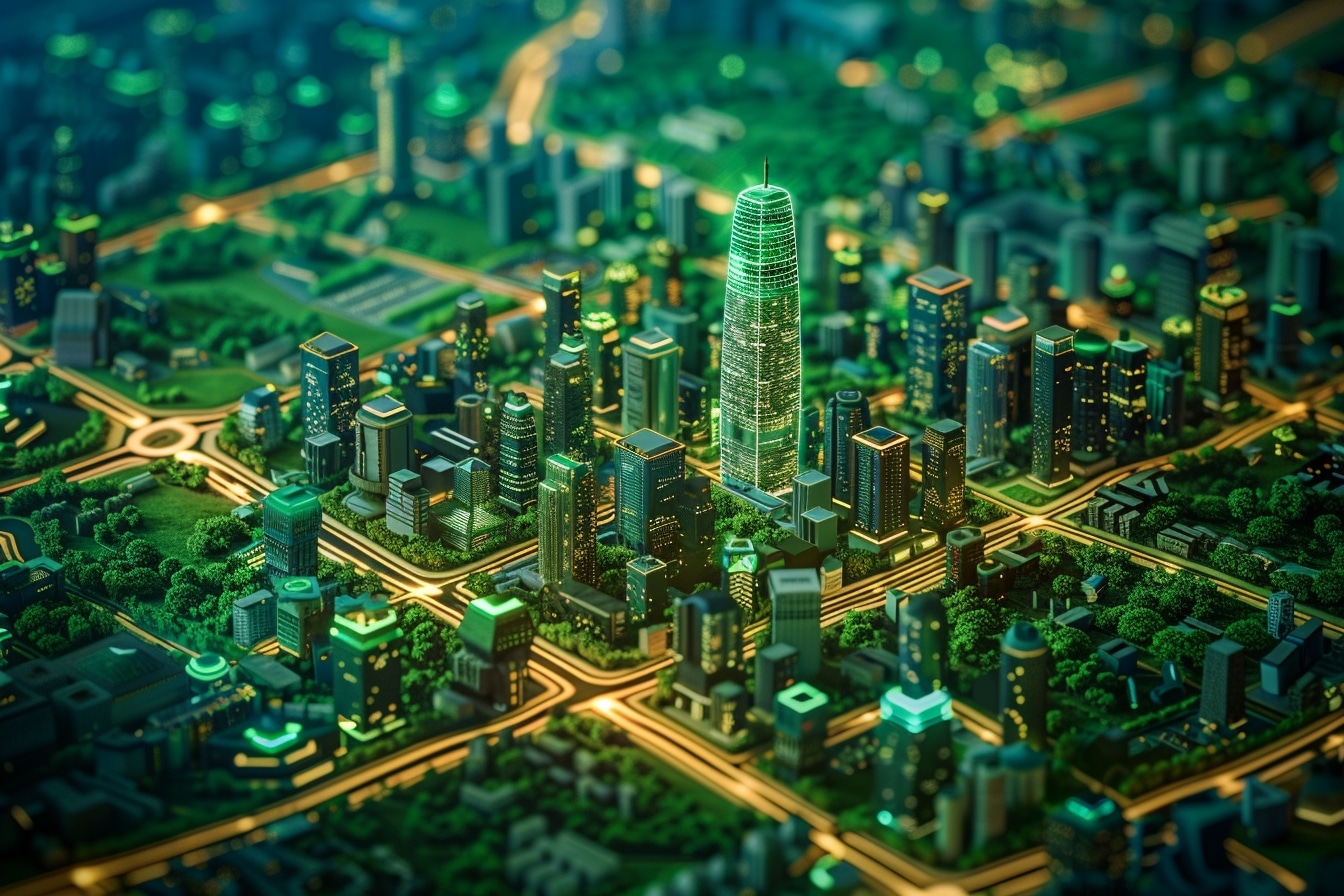
Smart Education: Revolutionizing Learning in Secondary Schools
What is Smart Education?
Smart education refers to the use of advanced digital technologies and innovative teaching strategies to enhance the learning experience. It goes beyond traditional classroom teaching by integrating smart devices, online platforms, and data-driven approaches to make learning more engaging, personalized, and efficient.
Smart education enables both students and teachers to leverage technology for collaborative learning, real-time assessments, and access to a vast pool of educational resources..
Key Components of Smart Education
- Smart Classrooms: Equipped with interactive whiteboards, projectors, and multimedia tools.
- Digital Learning Platforms: Online resources, learning management systems (LMS), and virtual classrooms.
- Personalized Learning Paths: AI-driven systems that customize learning content based on individual student needs.
- Internet of Things (IoT): Smart devices that help monitor attendance, manage classroom resources, and enhance security.
- Gamified Learning: Use of game-like elements to make learning more engaging.
Cloud-Based Storage: For easy access to assignments, resources, and learning materials anytime, anywhere.
Smart education is transforming the way students learn and prepare for future challenges. By adopting technology-driven teaching approaches, secondary schools can create a dynamic, engaging, and inclusive learning environment. Embracing smart education empowers both students and educators, setting the foundation for a smarter and more connected world.

Smart Government: Transforming Public Administration with Technology
What is Smart Government?
Smart government refers to the use of advanced technologies, data-driven decision-making, and citizen-centric approaches to enhance the efficiency, transparency, and effectiveness of public services. It involves the integration of digital tools such as IoT (Internet of Things), artificial intelligence (AI), big data analytics, and cloud computing to transform governance and improve the lives of citizens.
The goal of smart government is to deliver seamless, secure, and efficient services while fostering collaboration between government agencies, private sectors, and citizens.
Smart Government in Action
- Smart Traffic Management: Real-time data from IoT devices to reduce congestion.
- E-Government Services: Online portals for tax filing, business registration, and document renewals.
- Smart Waste Management: IoT sensors to optimize waste collection routes and schedules.
- Citizen Feedback Systems: Platforms for citizens to report issues and provide suggestions.
- Predictive Analytics for Public Safety: AI-driven models to anticipate and respond to emergencies.
Smart government is the future of efficient, transparent, and citizen-centric governance. By embracing digital transformation, governments can address the needs of a growing population, manage resources better, and foster trust through enhanced service delivery. The journey toward a smart government is a collaborative effort between technology providers, public agencies, and citizens themselves.

Smart Economy: The Future of Economic Growth and Innovation
What is a Smart Economy?
A smart economy leverages advanced technologies, data analytics, and digital platforms to drive sustainable economic growth, enhance business operations, and improve the quality of life for citizens. It integrates innovation, automation, and collaboration to create a dynamic and adaptive economic environment.
Smart economies focus on fostering entrepreneurship, digital transformation, and resource efficiency while encouraging knowledge-sharing and global competitiveness.
Key Pillars of a Smart Economy
- Digital Infrastructure: High-speed internet, IoT networks, and cloud services for seamless operations.
- Innovation & Research: Continuous investment in research, innovation, and technological advancements.
- E-Commerce & Digital Markets: Digital platforms for buying and selling goods and services.
- Data-Driven Decision-Making: Use of big data analytics for market insights and policy formulation.
- Smart Financial Systems: Digital payment systems, blockchain technologies, and fintech innovations.
- Sustainable Practices: Green technologies and resource-efficient processes.
A smart economy is the backbone of a smart city and a thriving society. By harnessing digital technologies and fostering innovation, governments and businesses can drive sustainable economic growth, create meaningful jobs, and improve the quality of life for citizens. Embracing smart economic strategies today is essential for building a prosperous and resilient future.

Smart Environment: Harnessing Technology for a Sustainable Future
What is a Smart Environment?
A smart environment integrates advanced technologies such as the Internet of Things (IoT), big data, and artificial intelligence (AI) to monitor, manage, and protect natural resources. It focuses on sustainable practices, environmental conservation, and reducing carbon footprints to create healthier, cleaner, and more sustainable living conditions.
Smart environments are a critical component of smart cities, ensuring that technological advancements align with environmental protection goals.
Key Elements of a Smart Environment
- Smart Waste Management: IoT-enabled sensors to optimize waste collection routes and schedules.
- Smart Energy Systems: Renewable energy sources, smart grids, and energy-efficient devices.
- Air Quality Monitoring: Real-time monitoring and reporting of air pollution levels.
- Water Management: IoT-based systems for water quality monitoring and leakage detection.
- Green Infrastructure: Integration of green roofs, vertical gardens, and sustainable urban designs.
- Environmental Analytics: Data analytics for predicting and managing environmental changes.
Benefits of a Smart Environment
- SResource Efficiency: Optimizes the use of energy, water, and other natural resources.
- Pollution Control: Real-time data helps identify and mitigate pollution sources.
- Energy Sustainability: Promotes the use of renewable energy and smart energy grids.
- Waste Reduction: ISmart waste systems improve recycling and waste disposal processes.
- Data-Driven Decisions: Analytics help policymakers make informed environmental decisions.
- Healthier Communities: Cleaner air, water, and green spaces improve public health and well-being.
Smart environments represent a forward-thinking approach to balancing technological advancement with environmental protection. By leveraging data, automation, and smart infrastructure, societies can build more sustainable ecosystems for future generations.

Smart Living: Enhancing Everyday Life with Technology
What is Smart Living?
Smart living refers to the use of advanced technologies to improve the quality, efficiency, and convenience of daily life. It integrates smart home devices, wearable technology, and data-driven solutions to create seamless and sustainable living experiences.
Key Features of Smart Living
- Smart Homes: IoT devices for automated lighting, heating, and security.
- Health Monitoring: Wearables that track fitness, sleep, and health vitals.
- Energy Efficiency: Smart meters and appliances that reduce energy consumption.
- Connected Mobility: Smart transportation systems and ride-sharing services.
- Personalized Services: AI-powered virtual assistants for routine tasks.
Future of Smart Living
- AI-Driven Homes: Homes that anticipate and respond to user needs.
- Enhanced Health Tech: Real-time health diagnostics through wearables.
- Sustainable Living Solutions: Integration of renewable energy in homes.
- Seamless Interconnectivity: Devices that communicate effortlessly for a unified smart experience.
Smart living is redefining how we interact with our environment, improving comfort, safety, and sustainability in everyday life.
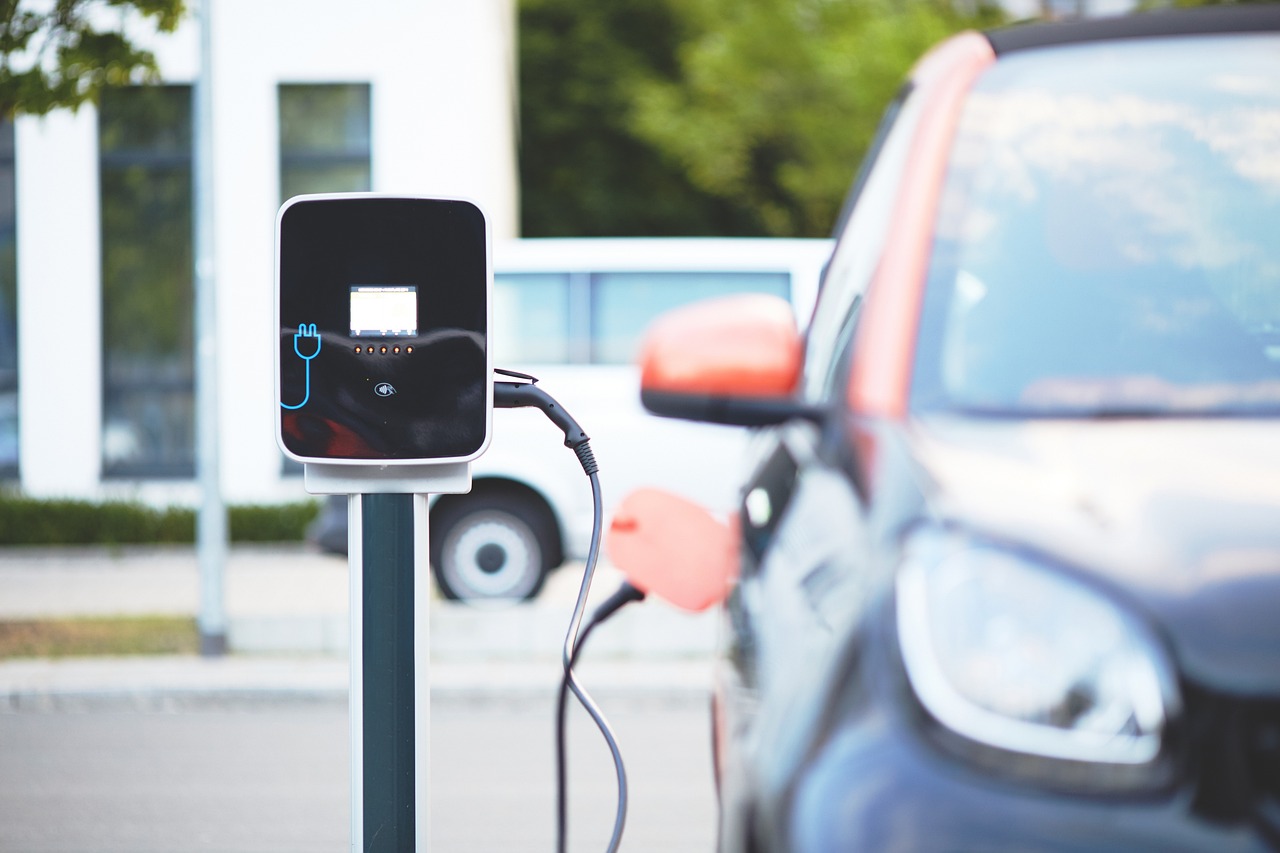
Smart Mobility: Redefining Transportation for Efficiency and Sustainability
What is Smart Mobility?
Smart mobility uses technology and data-driven solutions to improve transportation efficiency, reduce traffic congestion, and promote sustainable travel options. It focuses on seamless, safe, and eco-friendly ways to move people and goods.
Key Features of Smart Mobility
- Connected Vehicles: Vehicles that communicate with each other and traffic systems.
- Ride-Sharing Platforms: Apps for carpooling and on-demand transportation.
- Smart Traffic Management: AI-powered systems to optimize traffic flow.
- Electric and Autonomous Vehicles: Clean energy-powered and self-driving cars.
- Multi-Modal Transport: Integration of buses, trains, and bikes into unified systems.
Benefits of Smart Mobility
- Reduced Traffic Congestion: Optimized routes and real-time traffic updates.
- Environmental Sustainability: Lower emissions through clean energy solutions.
- Cost Savings: Affordable and efficient travel options.
- Enhanced Safety: AI systems reduce accidents and traffic violations.
- Improved User Experience: Faster and more convenient travel options.
Smart mobility is shaping the future of transportation by making it smarter, greener, and more user-focused.

Smart People: The Heart of Smart Cities
What is Smart People?
Smart people are informed, connected, and empowered citizens who actively contribute to the development of smart cities. They leverage technology, embrace innovation, and foster collaboration to create a sustainable and inclusive society.
Key Characteristics of Smart People
- Technologically Savvy: Skilled in using digital tools and platforms.
- Innovative Mindset: Open to new ideas and solutions.
- Environmentally Conscious: Advocating for sustainable living practices.
- Collaborative: Engaging in community-driven projects and decision-making.
- Lifelong Learners: Continuously seeking knowledge and personal development.
Benefits of Smart People in Smart Cities
- Community Innovation: Citizens contribute creative solutions to urban challenges.
- Enhanced Civic Engagement: Active participation in policy-making and governance.
- Sustainable Lifestyle Adoption: Promoting eco-friendly habits and practices.
- Social Inclusion: Building a connected and inclusive community.
- Economic Growth: Driving innovation and entrepreneurship.
Smart people are the foundation of smart cities, driving innovation, fostering collaboration, and creating a better future for all.